3d Rendering Voxel Art Love: A Unique Blend of Digital Creativity and Nostalgia
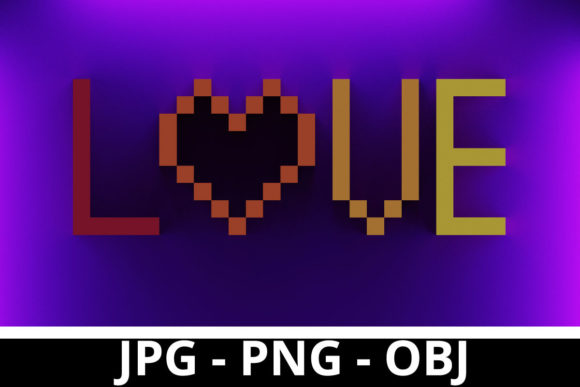
3d Rendering Voxel Art Love is a digital art form that combines the charm of pixelated aesthetics with the depth and realism of 3D rendering. This style uses small, cube-like elements—known as voxels—to create images that are both visually striking and nostalgic, often evoking the retro feel of early video games. The result is a design that bridges the gap between 8-bit graphics and modern digital illustration, making it a popular choice for creative projects, backgrounds, and decorative elements.
What Makes 3d Rendering Voxel Art Love Distinct?
Unlike traditional 2D pixel art, 3d Rendering Voxel Art Love adds a third dimension to the visual experience. Each voxel is a three-dimensional unit that can be manipulated to create complex shapes, textures, and lighting effects. This allows artists to craft intricate designs that have a sense of depth and volume, which is not possible with flat pixel art. The use of light and shadow further enhances the visual appeal, giving the artwork a more dynamic and realistic look.
The combination of 3D rendering and voxel art also opens up new possibilities for animation and interactivity. Artists can create scenes that change based on perspective or user input, adding an extra layer of engagement. This makes 3d Rendering Voxel Art Love particularly appealing for game design, virtual environments, and interactive installations.
Comparing 3d Rendering Voxel Art Love with Other Styles
When considering 3d Rendering Voxel Art Love, it's important to compare it with other digital art styles to understand its unique position in the creative landscape. Traditional 2D pixel art, for example, is simpler and more straightforward, focusing on flat, grid-based designs. While this style is effective for certain applications, it lacks the depth and complexity that 3D rendering brings to the table.
On the other hand, fully rendered 3D models offer a high level of detail and realism but often come at the cost of simplicity and nostalgia. These models require advanced software and technical expertise, which can be a barrier for some creators. 3d Rendering Voxel Art Love strikes a balance by offering a visually rich experience without the need for complex tools or extensive training.
Another alternative is vector art, which is commonly used for logos, icons, and illustrations. Vector art is scalable and clean, making it ideal for graphic design projects. However, it doesn't capture the same retro aesthetic that 3d Rendering Voxel Art Love provides. For those looking to incorporate a sense of nostalgia or a pixelated feel into their work, 3d Rendering Voxel Art Love may be a more suitable option.
Strengths and Tradeoffs of 3d Rendering Voxel Art Love
One of the key strengths of 3d Rendering Voxel Art Love is its versatility. It can be used in a wide range of applications, from background designs and wallpapers to product packaging and promotional materials. The pixelated nature of the art makes it easily recognizable and adaptable, allowing it to fit into various design contexts.
Another advantage is the ability to create highly detailed and intricate designs. With the right tools, artists can build complex structures and scenes that would be difficult to achieve with other styles. This makes 3d Rendering Voxel Art Love a valuable resource for creative professionals who want to add a unique touch to their projects.
However, there are also tradeoffs to consider. The process of creating 3d Rendering Voxel Art Love can be time-consuming, especially for those who are not familiar with 3D modeling software. Additionally, the final output may not be as smooth or refined as other digital art styles, depending on the level of detail and quality of the rendering.
Best-Fit Situations for 3d Rendering Voxel Art Love
3d Rendering Voxel Art Love is particularly well-suited for projects that aim to evoke a sense of nostalgia or creativity. It works well for themes such as love, romance, and celebration, making it a popular choice for Valentine’s Day designs, wedding decorations, and romantic illustrations. The pixelated style adds a playful and whimsical element that can enhance the overall aesthetic of a project.
This style is also ideal for digital backgrounds and wallpapers, where the combination of light, color, and shape can create a visually engaging environment. Whether used in a personal device or a professional setting, 3d Rendering Voxel Art Love can provide a unique and eye-catching visual experience.
For those working on interactive media, such as video games or virtual reality experiences, 3d Rendering Voxel Art Love offers a way to blend retro influences with modern technology. This can help create a distinctive atmosphere that sets a project apart from others in the same category.
Limitations and Decision Factors
While 3d Rendering Voxel Art Love has many benefits, it is not always the best choice for every project. One limitation is the potential for lower resolution when scaled up. Since the art is based on individual voxels, increasing the size can lead to a loss of clarity and detail. This may be a concern for large-format prints or high-resolution displays.
Another factor to consider is the availability of resources. Not all design software supports voxel-based rendering, which can make the creation process more challenging. Artists may need to invest in specific tools or learn new techniques to work effectively with this style.
Additionally, the target audience plays a role in determining whether 3d Rendering Voxel Art Love is the right fit. For audiences that value realism and high-end visuals, this style may not be as appealing as other options. However, for those who appreciate retro aesthetics and creative expression, it can be a powerful tool.
When 3d Rendering Voxel Art Love Is the Right Choice
3d Rendering Voxel Art Love is the right choice when the goal is to create something that feels both modern and nostalgic. It is ideal for projects that want to stand out with a unique visual identity while maintaining a sense of familiarity. This style is particularly effective for branding, marketing, and personal creative projects where originality is key.
It is also a good option for those who want to experiment with different design approaches. By combining the simplicity of pixel art with the depth of 3D rendering, artists can explore new ways of expressing ideas and emotions. This flexibility makes 3d Rendering Voxel Art Love a valuable addition to any creative toolkit.
Conclusion: Choosing the Right Digital Art Style
3d Rendering Voxel Art Love offers a distinctive approach to digital design, blending the charm of pixelated aesthetics with the depth of 3D rendering. Its versatility, creativity, and nostalgic appeal make it a compelling choice for a wide range of projects. However, like any artistic style, it comes with its own set of strengths and limitations.
By understanding the differences between 3d Rendering Voxel Art Love and other digital art styles, creators can make informed decisions about which approach best suits their needs. Whether it's for a romantic illustration, a background design, or an interactive experience, 3d Rendering Voxel Art Love provides a unique and engaging way to express creativity.