I Don't Need Luck, I Have Jesus: A Symbol of Faith and Hope
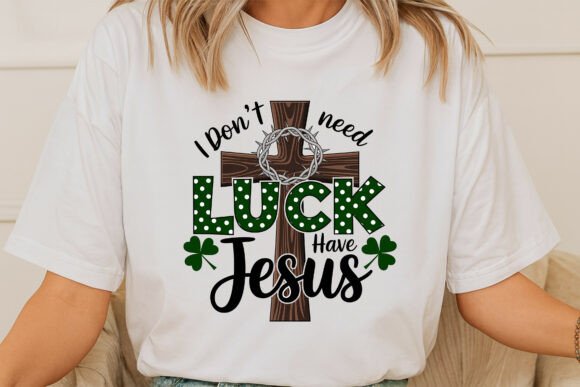
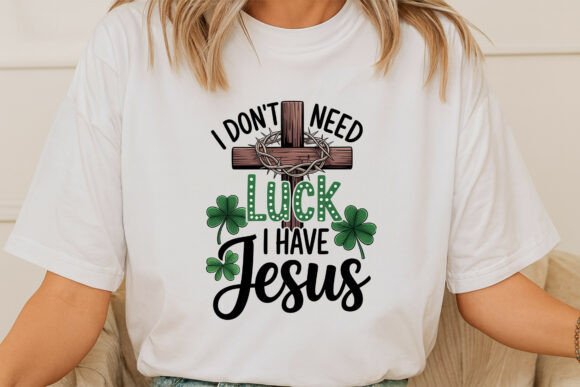
In a world where uncertainty often feels like the norm, many people seek comfort in symbols that represent deeper meanings. One such symbol is the image that reads, "I Don't Need Luck, I Have Jesus." This graphic features a wooden cross with a crown of thorns at the top, surrounded by four green shamrocks. The text is written in a playful, cursive font, blending Christian symbolism with a St. Patrick's Day motif. While the design may seem simple, it carries profound significance for those who embrace its message.
The Meaning Behind the Image
The phrase "I Don't Need Luck, I Have Jesus" reflects a deep sense of faith and trust in a higher power. For many, luck is an unpredictable force that can bring both good and bad outcomes. However, this image suggests that true security comes not from chance but from a relationship with Jesus Christ. The cross, a central symbol of Christianity, represents the sacrifice and love of Jesus, while the crown of thorns alludes to his suffering and triumph over death.
The inclusion of shamrocks adds a unique twist to the design. Traditionally associated with St. Patrick's Day, the shamrock is a symbol of the Holy Trinity—Father, Son, and Holy Spirit. By combining these elements, the image creates a powerful visual representation of faith and celebration. It serves as a reminder that even in times of challenge, there is hope and purpose found in one's beliefs.
Why This Message Matters Today
In modern society, where stress and anxiety are common, the message of this image resonates deeply with many individuals. People often look for ways to find meaning and stability in their lives, and for some, faith provides that foundation. The idea that one does not need to rely on luck or external circumstances for success or safety is empowering. Instead, it encourages a focus on inner strength, resilience, and spiritual growth.
This concept is particularly relevant in areas such as work, education, and personal development. When faced with challenges, having a strong belief system can provide the motivation needed to persevere. For example, a student preparing for an important exam might find comfort in knowing that they are not alone in their efforts. Similarly, someone navigating a difficult career transition may draw strength from their faith, believing that their path is guided by a higher purpose.
Practical Applications in Daily Life
The message of "I Don't Need Luck, I Have Jesus" can be applied in various aspects of daily life. It encourages individuals to approach challenges with confidence and trust in their values. This mindset can lead to more intentional decision-making and a greater sense of control over one's life.
- Workplace: Employees who believe in their abilities and have a strong moral compass may be more likely to take initiative, make ethical choices, and maintain a positive attitude, even in difficult situations.
- Educational Settings: Students who feel supported by their faith may develop better study habits, remain focused on their goals, and handle academic pressures with greater resilience.
- Personal Relationships: Trusting in a higher power can foster stronger connections with others, as individuals may approach relationships with compassion, forgiveness, and a sense of shared purpose.
Moreover, this message can inspire creativity and innovation. Artists, writers, and entrepreneurs who draw inspiration from their faith may find new ways to express themselves and solve problems. Their work becomes a reflection of their values, adding depth and meaning to their contributions.
Common Misconceptions About Faith and Luck
Despite the positive message of this image, some people may misunderstand the role of faith in relation to luck. One common misconception is that faith guarantees a trouble-free life. In reality, faith does not eliminate challenges but provides a framework for dealing with them. It offers a perspective that emphasizes growth, learning, and perseverance rather than mere survival.
Another misunderstanding is that faith is only relevant in times of crisis. However, for many, faith is a constant presence that influences everyday decisions and interactions. It can be a source of joy, guidance, and connection, not just a response to hardship.
Additionally, some may view the concept of luck as incompatible with faith. However, many religious traditions teach that God works through events, including what might be perceived as "luck." This perspective allows individuals to see both blessings and trials as part of a larger plan, fostering gratitude and humility.
How to Incorporate This Message Into Your Life
If you resonate with the message of "I Don't Need Luck, I Have Jesus," there are several ways to integrate this belief into your daily routine. Start by reflecting on your values and how they shape your actions. Ask yourself questions like, "What do I stand for?" and "How can I live in alignment with my beliefs?"
Engaging in regular spiritual practices, such as prayer, meditation, or reading religious texts, can also deepen your connection to your faith. These activities can provide clarity, peace, and a sense of direction during uncertain times.
Furthermore, sharing your beliefs with others can be a powerful way to reinforce your own understanding. Whether through conversations, creative projects, or community involvement, expressing your faith can inspire those around you and strengthen your own resolve.
Conclusion
The image "I Don't Need Luck, I Have Jesus" is more than just a visual statement—it is a declaration of faith, hope, and purpose. It reminds us that while the world may be unpredictable, there is strength in trusting in something greater than ourselves. By embracing this message, individuals can find courage, guidance, and a deeper sense of meaning in their lives.
Whether used as a personal reminder or as a decorative element, this image serves as a powerful symbol of the enduring impact of faith. It invites us to consider how our beliefs shape our experiences and how we can navigate life with confidence and grace.